

Online Chemicals Solution
Vitamin B3 / Niacinamide Powder
Vitamin B3 / Niacinamide Powder
Couldn't load pickup availability
Overview
Niacinamide (Vitamin B3) is a water-soluble active ingredient renowned for its multi-functional skin benefits. It is one of the most clinically studied cosmetic actives for brightening, barrier repair, and anti-aging.
INCI Name
Niacinamide
Key Benefits
- Reduces hyperpigmentation and evens skin tone
- Minimizes appearance of pores
- Strengthens the skin's moisture barrier
- Reduces fine lines and wrinkles
- Controls sebum production — ideal for oily/acne-prone skin
- Anti-inflammatory — soothes redness and irritation
Recommended Applications
- Serums & ampoules
- Moisturizers & day creams
- Toner & essences
- Eye creams
- Spot treatments
Recommended Use Level
2–10% in the aqueous phase (5% is the most clinically validated concentration)
Solubility & Phase
Water-soluble. Dissolve in warm water (40–50°C) before adding to formulation. Avoid combining with high concentrations of Vitamin C (may cause flushing).
Certifications & Grade
- Cosmetic & pharmaceutical grade
- USP/BP compliant
Supplier
Cosmeti Hub Online Chemical Solution
Storage
Store in a cool, dry place away from light and moisture. Shelf life: 24 months in sealed packaging.
Skin Problem Solver Guide — Niacinamide:
- Bade pores band karne ka tarika / How to minimize open pores: Niacinamide at 5% is the most clinically validated active for visibly reducing pore size. It regulates sebum production, tightens the pore lining, and reduces the oiliness that makes pores appear enlarged — delivering results visible within 4–8 weeks of consistent use.
- Oily skin aur acne ke liye best ingredient / Best ingredient for oily and acne-prone skin: Niacinamide controls excess sebum at the sebaceous gland level, reduces post-acne redness (PIE), and prevents new breakouts — all without the dryness caused by Salicylic Acid or Benzoyl Peroxide. It is the ideal daily-use active for oily and combination skin formulations.
- Skin tone even karna / How to even out uneven skin tone in Pakistan: By inhibiting melanosome transfer from melanocytes to keratinocytes, Niacinamide gradually fades dark patches, sun spots, and post-inflammatory hyperpigmentation (PIH) — making it the most accessible brightening active for mass-market Pakistani skincare brands.
- Niacinamide powder supplier in Pakistan / Vitamin B3 cosmetic grade buy online: Cosmeti Hub stocks USP/BP-compliant Niacinamide Powder with nationwide delivery. Bulk pricing available for brands, manufacturers, and formulation studios.
Why Formulators Choose Niacinamide — Manufacturing Advantages:
- The Most Versatile Cosmetic Active Available: Niacinamide simultaneously addresses brightening, barrier repair, sebum control, anti-aging, and anti-inflammatory concerns in a single ingredient — reducing formulation complexity and cost while delivering multi-benefit products that command premium retail pricing.
- Exceptional Stability Across pH 4–7: Unlike Vitamin C (oxidizes rapidly) or AHAs (pH-sensitive), Niacinamide is chemically stable across a wide pH range and temperature, making it compatible with virtually every formulation system — serums, creams, toners, masks, and cleansers.
- Clinically Validated at 5% — Regulatory-Ready Claims: The 5% concentration has the most robust clinical evidence base, allowing brands to make substantiated claims around pore minimization, brightening, and barrier repair — critical for brands targeting export markets or premium retail positioning.
- Synergistic with Alpha Arbutin, Ceramides, and Peptides: Niacinamide enhances the efficacy of every major cosmetic active category — brighteners, barrier repair agents, and anti-aging peptides — making it the ideal anchor ingredient around which complete product lines can be built.
Commonly Used With
- Alpha Arbutin — synergistic brightening combo for hyperpigmentation serums
- Glycerine 99.7% — humectant base for water-phase serums
- Propylene Glycol — solvent to dissolve Niacinamide powder easily
Frequently Asked Questions
- What percentage of Niacinamide should I use?
- 5% is the most clinically validated concentration for pore minimizing and brightening. Up to 10% can be used for stronger sebum control, though some users may experience mild flushing at higher levels.
- Can Niacinamide be used with Vitamin C?
- Yes, but with caution. High concentrations of both together may cause temporary skin flushing. It is best to use them in separate products or at different times of day.
- Can Niacinamide be used with Alpha Arbutin?
- Absolutely. Alpha Arbutin and Niacinamide are one of the most powerful brightening combinations available. Both inhibit melanin through different pathways, making them highly synergistic.
- Is Niacinamide suitable for sensitive skin?
- Yes. At 2–5%, Niacinamide is well-tolerated by most skin types including sensitive and rosacea-prone skin due to its anti-inflammatory properties.
- How do I dissolve Niacinamide powder?
- Dissolve in warm distilled water (40–50°C) before adding to your formulation. Propylene Glycol can also be used as a co-solvent for easier dissolution.
- Niacinamide kitne percent use karna chahiye aur kab results aate hain?
- 5% sabse zyada clinically proven concentration hai — pore minimizing, brightening, aur barrier repair ke liye. 10% sebum control ke liye use hoti hai lekin kuch logon mein mild flushing ho sakti hai. Results: sebum control 2–4 weeks mein, brightening 6–8 weeks mein, aur barrier repair 4–6 weeks mein visible hoti hai. Cosmeti Hub ka Niacinamide USP/BP compliant hai — pharmaceutical grade purity ke saath.
- Can Niacinamide be combined with Alpha Arbutin, Retinol, and Hyaluronic Acid in one serum?
- Yes — Niacinamide is one of the most compatible actives in cosmetic formulation. With Alpha Arbutin: synergistic brightening (dual melanin inhibition pathway). With Retinol: Niacinamide reduces Retinol-induced irritation and redness, improving consumer tolerance. With Hyaluronic Acid: complementary hydration — HA attracts water, Niacinamide strengthens the barrier to retain it. Avoid combining high-concentration Vitamin C (L-Ascorbic Acid) in the same formula as it may cause temporary flushing.
Share



Explore
Information About Vitamin B3 / Niacinamide Powder
✅ Key Features
- Helps fade hyperpigmentation and dark spots
- Controls excess sebum and minimizes pores
- Soothes inflammation and calms redness
- Boosts skin hydration and barrier function
- Suitable for all skin types including acne-prone
🔬 Description
Niacinamide (Vitamin B3) Powder – Skin Brightening & Anti-Acne Active
Niacinamide, also known as Vitamin B3, is a water-soluble vitamin that has become a superstar ingredient in modern skincare. It is renowned for its multi-functional properties — improving skin tone, reducing the appearance of enlarged pores, smoothing texture, and balancing oil production. Its soothing properties make it ideal for sensitive and acne-prone skin. Widely used in serums, moisturizers, and masks, Niacinamide supports a healthy skin barrier and enhances the effectiveness of other actives.
📊 Technical Data
INCI Name:Niacinamide
CAS Number:98-92-0
Solubility:Water-soluble
Add Phase:Water phase (below 70°C)
pH Stability:5.0 – 7.0
Processing Temperature:≤ 70°C
Appearance:White crystalline powder
Odor:Odorless
Molecular Formula:C6H6N2O
Molecular Weight:122.13 g/mol
Flash Point:Not flammable
Density:~1.4 g/cm³
Chemical Type:Amide (Vitamin)
Functional Groups:Amide, Pyridine Ring
Primary Cosmetic Uses:Serums, creams, lotions, masks, toners
🧪 Recommended Usage
- Usage Rate: 2%–5% in serums and creams
- Recommended Additions: Hyaluronic acid, Allantoin, Aloe Vera Extract
- Storage: Keep in a cool, dry place away from light
💡 Pro Tip
Pair Niacinamide with Hyaluronic Acid for hydrated and balanced skin! Avoid using it in the same routine with pure Vitamin C to prevent neutralization. Great for layering under sunscreen for extra UV protection!
👩🔬 Skin Type Compatibility
✔️ Oily
✔️ Dry
✔️ Combination
✔️ Sensitive
✔️ Normal
🧴 Formulation Ideas
1. Oil-Control Face Serum
5% Niacinamide
0.5% Allantoin
2% Sodium PCA
1% Preservative
Balance with distilled water and base gel
2. Glow Boost Cream
4% Niacinamide
0.5% Alpha Arbutin
3% Shea Butter
5% Glycerin
1% Preservative
Oil phase: Emulsifying wax + Almond Oil
3. Soothing Toner for Acne-Prone Skin
2% Niacinamide
1% Green Tea Extract
2% Aloe Vera Liquid Extract
0.5% Panthenol
0.5% Preservative
Balance with distilled water
💧 Cosmetic Suitability:
Serums
⭐⭐⭐⭐⭐ – Excellent
🟩🟩🟩🟩🟩
Creams & Lotions
⭐⭐⭐⭐⭐ – Excellent
🟩🟩🟩🟩🟩
Toners
⭐⭐⭐⭐☆ – Good
🟩🟩🟩🟩⬜
Face Masks
⭐⭐⭐⭐☆ – Good
🟩🟩🟩🟩⬜
Cleansers
⭐⭐⭐☆☆ – Reasonable
🟨🟨🟨⬜⬜
Hair Masks
☆☆☆☆☆ – Not Applicable
🟥⬜⬜⬜⬜
Deodorants
☆☆☆☆☆ – Not Suitable
🟥⬜⬜⬜⬜
Eye Creams
⭐⭐⭐⭐☆ – Good
🟩🟩🟩🟩⬜
Shampoos
☆☆☆☆☆ – Not Applicable
🟥⬜⬜⬜⬜
Soaps
⭐⭐⭐☆☆ – Reasonable
🟨🟨🟨⬜⬜
Conditioners
☆☆☆☆☆ – Not Applicable
🟥⬜⬜⬜⬜
Lip Balms
☆☆☆☆☆ – Not Suitable
🟥⬜⬜⬜⬜
Body Butters
⭐⭐☆☆☆ – Fair
🟧🟧⬜⬜⬜
Ointments
⭐⭐⭐☆☆ – Reasonable
🟨🟨🟨⬜⬜
❓ FAQs
Q1: Can I mix Niacinamide with Vitamin C?
It is best used in separate routines. Mixing can reduce the effectiveness of both.
Q2: What is the ideal pH range?
Niacinamide works best in pH 5.5–6.5 formulations.
Q3: Is it safe for daily use?
Yes, it's safe and beneficial for both AM and PM use.
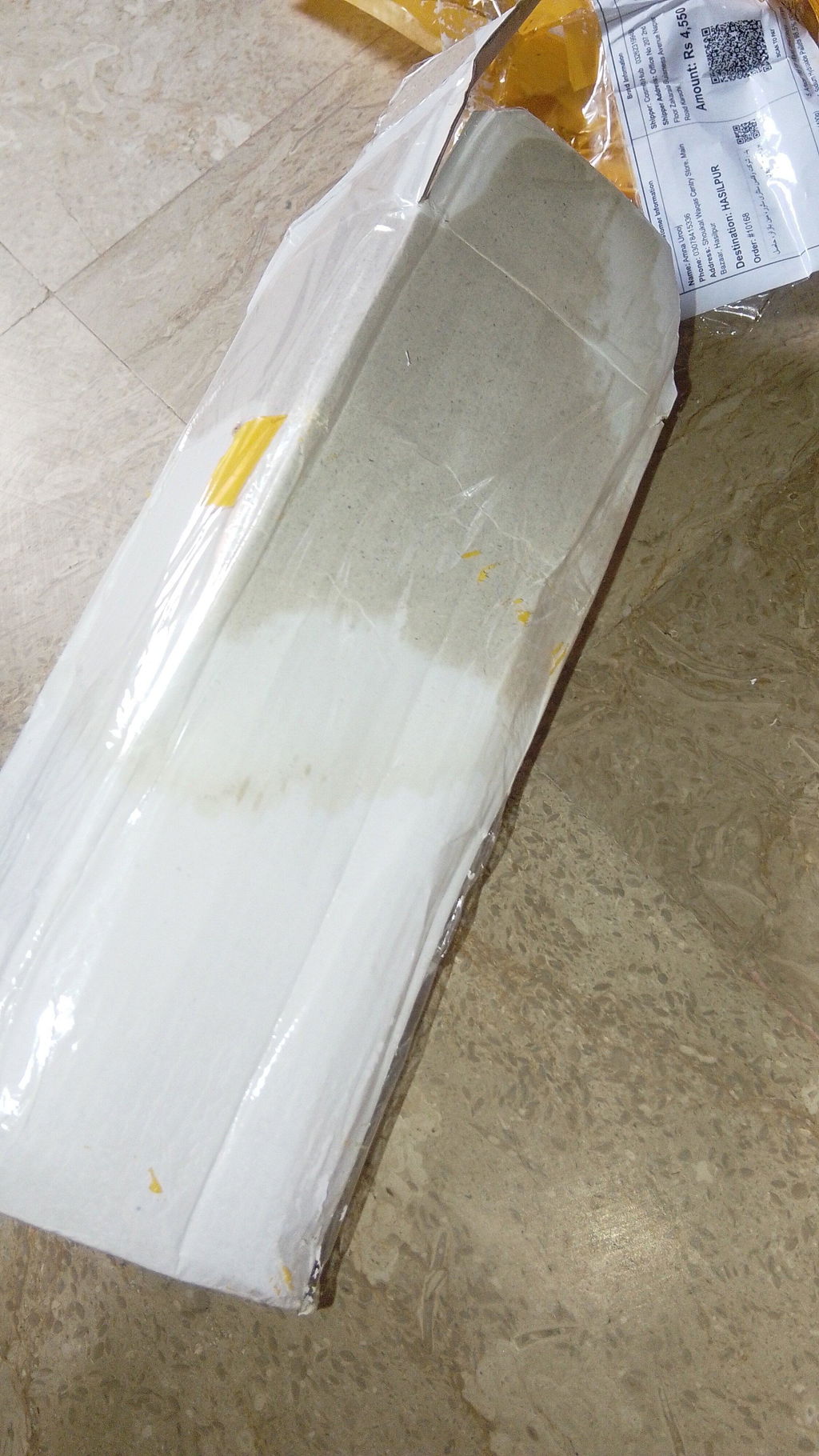
Abhi order receive kiya highly disappointed by package due to leakage issues no proper safe packing.... Not recommend further
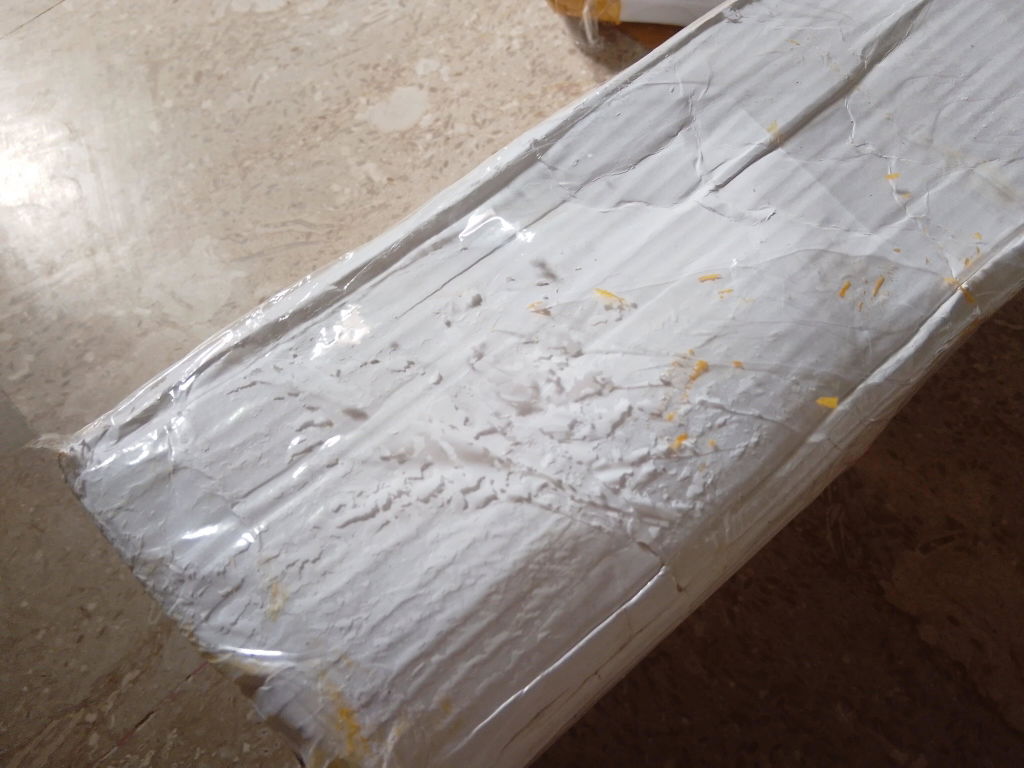
Price should be market-competitive, otherwise all chemicals are original and as described.
Very nice quality👍